
 When a judge ultimately is deciding the outcome of a custody case in the State of California, he or she must decide what is in the best interest of the child or children that are involved. This decision determines how much time each parent will receive throughout the year with the children. When the process begins both parents that are involved will have a fair chance at custody and primary visitation despite whether it is the male or female that wants primary custody. As the process goes on the judge will get a better understanding of the familial situation and understand more of what would be best for the children involved.
Policies. The State of California follows two very distinct policies when determining visitation. The first policy focuses on the health and welfare of all of the children involved in the visitation agreement. This must be the primary concern of the judicial system. Also, the second policy takes a deep look at the parents involved and determines whether or not the children benefit from having continuous contact with both of the parents. The information regarding both of these policies is the main information that is used to determine child visitation in California.
Safety. During California court proceedings, a child’s safety is a primary concern when determining child visitation. It is an easy decision to make if there is a situation where one of the parents is living a very unsafe lifestyle that maybe focuses around excessive alcohol consumption or drug use. This may also apply to a parent that has a past that includes legal action for rape or abuse. A judge is not going to place primary custody or visitation with a parent that is not going to create a safe environment for their child. There is also a California law that prohibits a judge from giving child visitation to a person who has been convicted of murder or child abuse on both a physical or sexual level.
Supervision. If a parent is questionable regarding their behavior or how they may act around their child then a judge may order child visitation to occur with a third party present so the visits are supervised. This prevents anything bad from happening to the child during the visit but yet it still allows the child to maintain some sort of relationship with their parent. When they are older and more mature they can then make decisions themselves regarding their visits.
Recommendations. Each child visitation case is very different from the next. There may be some confusion as to whether or not a parent is fit to have visitation with their child so sometimes the court will ask for written recommendations and letters from family members, rehabilitation staff, attorneys and more. The information provided by multiple sources will help a judge make their final decision.
Child Opinion. Depending on the age of the child the court may ask the child what their opinion is regarding the visitation agreement. An older child may state that they do not feel it is healthy for them to have a relationship with a certain parent or they may ask to stay in a certain living situation with the parent they are already staying with. The judge typically will take this information and preference into consideration.
Ultimately the best child visitation agreement is one where both of the parents involved can work together to co-parent their children. While not every marriage or relationship works out in the end there are still impressionable children involved that deserve the very best that their parents can offer them.
 In San Francisco, when a married couple
 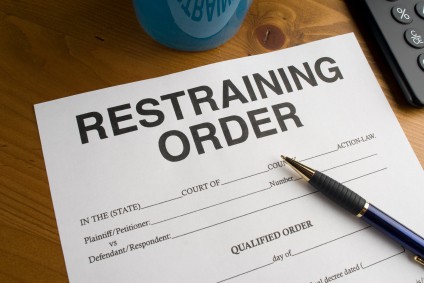 To know if you need a restraining order, it’s important to understand what a restraining order is and what it does. A restraining order is a civil order that stops someone from engaging in threatening behavior. It is used to keep abusers, stalkers, and those who are harassing you away from you so you can feel safe and begin to build stability and order in your life. You will need a restraining order if a person is:
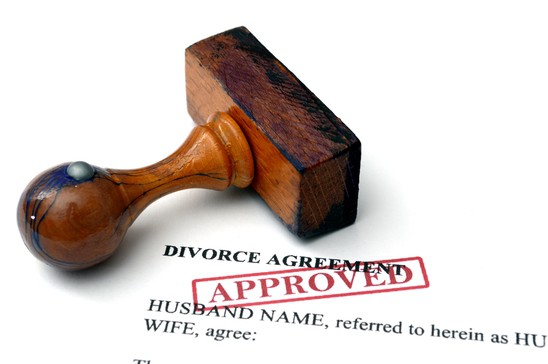 When a divorce is settled via an agreement, it’s called a divorce settlement, marital settlement or collaborative settlement agreement. The agreement allows you and your spouse to have a written agreement that spells out the terms of your divorce. The agreement specifically covers one or more of the following:
 Filing for an annulment rather than a divorce can be a complicated process. An annulment has the expressed goal of deeming the marriage invalid, and thus, wiping it from the record as if it never existed. A divorce, on the other hand, is when two parties agree to end a marriage through the
  across particular roadblocks that might lead to divorce.
 Divorce has become increasingly common, and because of this, many people now feel it is necessary to protect themselves and their assets from the possibility of their marriage ending in divorce. Prenuptial agreements are one way to do just that. A